On March 1, President Donald Trump said that the U.S.-Israeli war against Iran would last “four to five weeks” at most. More than four months later, after a brief lull, the war is reigniting and showing no sign of ending.
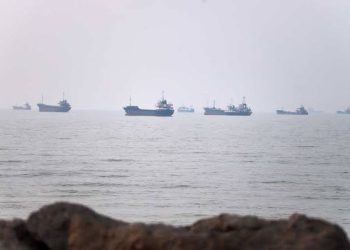
Over the past week, the ceasefire has unraveled as Iran attacked merchant ships trying to transit the Strait of Hormuz near the Oman coast, rather than the Iranian shoreline. The United States struck back by bombing Iranian military bases and at least two bridges, and Iran in turn retaliated against U.S. military bases in the region and U.S.-allied Persian Gulf states. Over the weekend, Iran declared that the strait was closed, and Trump struck back on Monday by declaring that the U.S. blockade of Iranian oil was back on—and that the United States (as “THE GUARDIAN OF THE STRAIT”) would impose a 20 percent toll on cargo passing through the waterway.
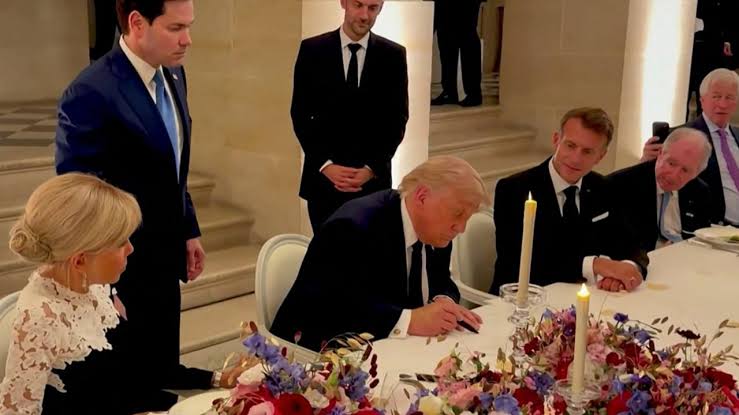
So much for the memorandum of understanding (MOU), signed by Trump on June 18 at Versailles. It was essentially a lucrative deal for Iran to reopen the strait—the conduit for 20 percent of the world’s oil and gas. Trump pledged many billions of dollars in economic relief for Iran by lifting sanctions, unfreezing Iranian funds, and providing reconstruction assistance. In return, all Iran had to do was allow normal commercial traffic to flow through the strait, as it did before the war, and enter into negotiations with the United States over the status of its nuclear program.