By July 13, over 1.2 million retail leverage accounts had approached margin-call criteria, according to market data. The number of totally liquidated accounts by brokerages was estimated to be between 320,000 and 460,000; however, regulators have not independently verified the broader account data.
Young investors bear the largest share of liquidations
According to reports, 62% of accounts affected by complete forced liquidations were owned by investors in their 20s and 30s. During South Korea’s robust equities surge, many retail traders developed leveraged positions, making them more vulnerable to losses when prices reversed.
The losses came after ordinary investors borrowed a lot of money for several months. By the end of May, borrowed investment in South Korean stocks had risen to a record 60 trillion won, according to a June Reuters article. After recognizing worries about leveraged exchange-traded funds’ explosive expansion, regulators were actively examining measures surrounding them.
During erratic market fluctuations, forced sales increase.
Forced stock sales connected to unpaid brokerage balances have sharply increased, according to the Korea Financial Investment Association. According to market data, between July 1 and July 13, actual forced sales from unresolved trades totaled 451.9 billion won.
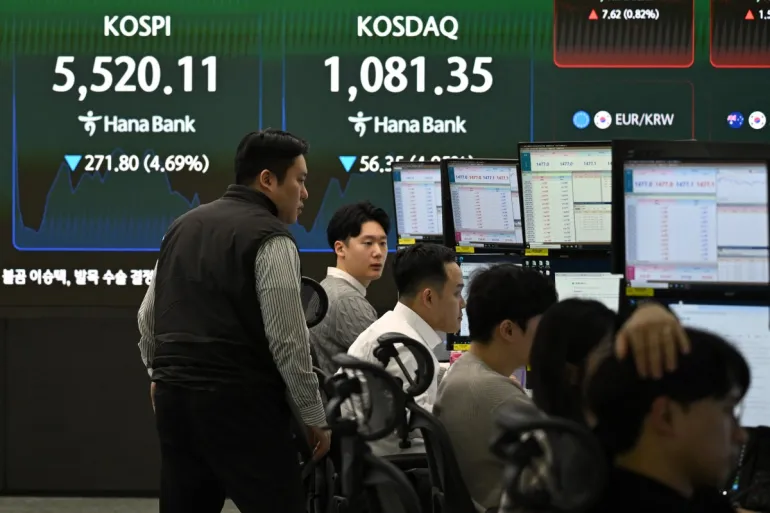
Even before July, the strain was mounting. Forced sales hit 1.12 trillion won in June, the highest monthly total of 2026, according to Seoul Economic Daily. The amount increased from 707.6 billion won in May as leveraged investors were frequently caught off guard by abrupt changes in the KOSPI.
Investors that utilize short-term brokerage credit are compelled to contribute more money if their positions drop below the necessary thresholds. Brokers can lock in losses during times of declining prices by selling the shares when clients are unable to cover the shortfall.