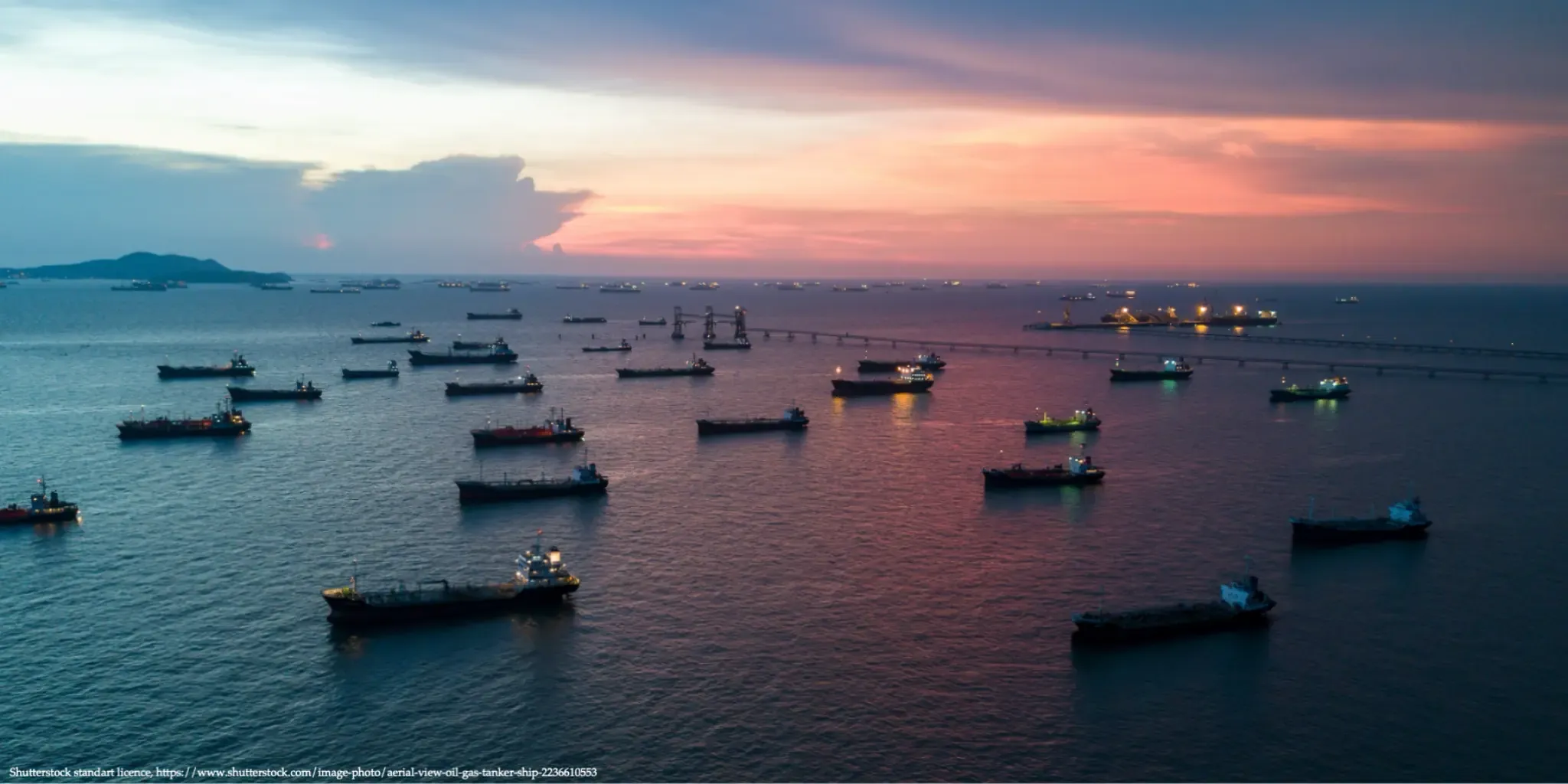
(Forbes) – The latest June 30 Shell LNG Outlook 2026 publication conveys a clear message: The world’s current energy status shows that sustainable energy infrastructure and stable policy matter more than ever. The report’s modeling analysis based on prolonged disruption of Liquified Natural Gas passage via the Strait of Hormuz reveals how global energy flows can be quickly constrained and why the oil and gas industry cannot continue to reveive another decade of policy whiplash and ongoing investment crunch in new supplies.
Global LNG Shows Resilience in the Face of Crisis
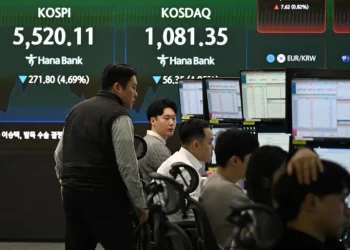
Shell’s 2026 outlook shows that the result of the Middle East crisis – including Qatar’s major Ras Laffan LNG Export Facilities major damage – could be lead to slightly negative year-over-year LNG trade growth. That outcome could be the first contraction following a decade of steady expansion. The resulting spiking prices have left major buyers scrambling for spot cargoes, having the market pursuing every available flexible tool: U.S. export surges, inter-basin diversions, huge over-draws on reserves, and fuel switching.
The industry hovever has shown remarkable resilience even under these stresses thanks to the diverse sources of supply and the consistent growth of term contracts. But resilience has not been the same as security. As Shell pointedly states, the disruption at Hormuz “highlights need for sustained infrastructure investment and policy stability.” Certainly, the U.S. and other countries, have had challenges achieving either or both of these goals, to put it mildly.
The long-term picture in the Shell report is equally sobering. Global LNG demand is projected to rise by about 65 percent by 2050, reaching nearly 700 million tons per annum (MTPA). Asia remains the major demand engine, driven by economic growth, coal-to-gas switching in power generation, rising industrial needs, and the massive new power loads from data centers and AI infrastructure. Asia’s emerging economies alone face a structural supply gap that Shell estimates at roughly 300 MTPA already in 2025 and growing to around 400 MTPA by 2030 – continuing to widen through mid-century.
Here is where the report’s most critical warning emerges. Even with all the projects currently under construction and the record pace of U.S. final investment decisions in recent years, Shell’s modeling shows global LNG supply beginning to fall short of demand around 2037, then steadily widening thereafter. By 2050 the shortfall in various scenarios ranges from 100 to 300 MTPA depending on how aggressively new capacity is sanctioned. The result is a looming structural deficit that will lead to higher prices, greater reliance on higher emitting alternatives in some regions, and heightened geopolitical risk for importing nations.
The U.S. Is The LNG Supply Bright Spot
The United States is the clear bright spot on the supply side. The recent aggressive expansion in American LNG exports has already reshaped global trade flows, with the U.S. on track to deliver over 1,300 cargoes annually by the mid-2030s. U.S. producers and exporters stepped up during the previous crisis resulting from the 2022 Russian supply shock and have done so again in response to the current Hormuz pressures, demonstrating the value of a large, flexible, market-driven supply base.
More on Forbes